Villa Senja Check dates
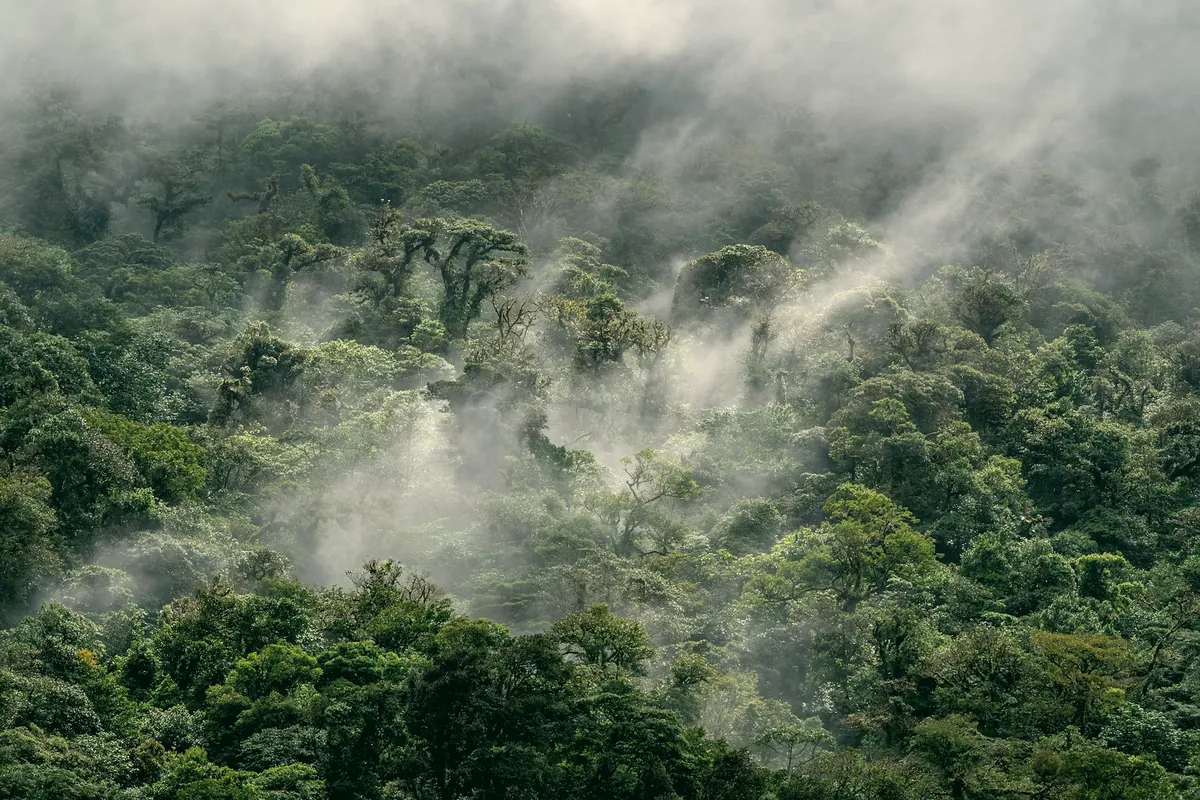
Mist drifting through a dense forest canopy on a hillside

Notes from the garden and the village

Short pieces by Sari about the hotel, the farming year and the people who work with us. A new one every month or so.

Mist over the forest below the hotel after the afternoon rain.

Still 1

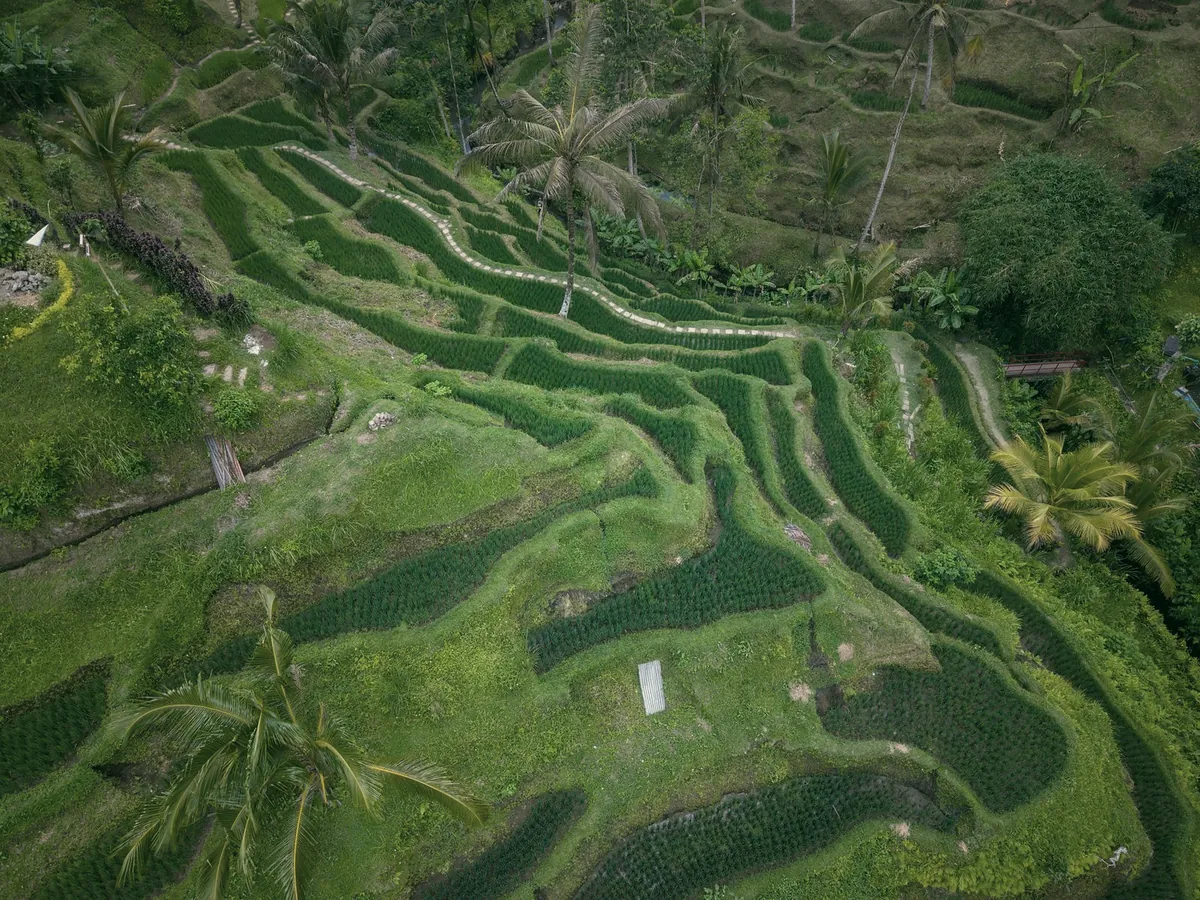
Rice terraces from above, curving lines of young green rice between palm trees
Still 2.The lower terraces from above, a week after planting.

14 September 2026, 3 minute read

Planting has started on the lower terraces

The water came down the channels last Tuesday, and since then the lower terraces have been flooded and ploughed. Planting started this morning. Six women from the village work along each terrace in a line, pushing the seedlings into the mud by hand, about a hand’s width apart.

The timing is not ours to choose. Every farmer here belongs to the subak, the group that shares the water from the spring above the village, and the subak decides which fields are flooded and when. Our terraces are near the end of the channel, so we plant a few weeks after the fields higher up.

If you are staying in the next two weeks, Pak Nyoman is happy to take guests down in the morning to watch, and to let you try a row if you do not mind mud to the knees. Ask at reception the evening before.

From the terrace villas you can follow the change day by day. For about a month the fields are flat water with lines of green in them. By the middle of October the rice is knee high.
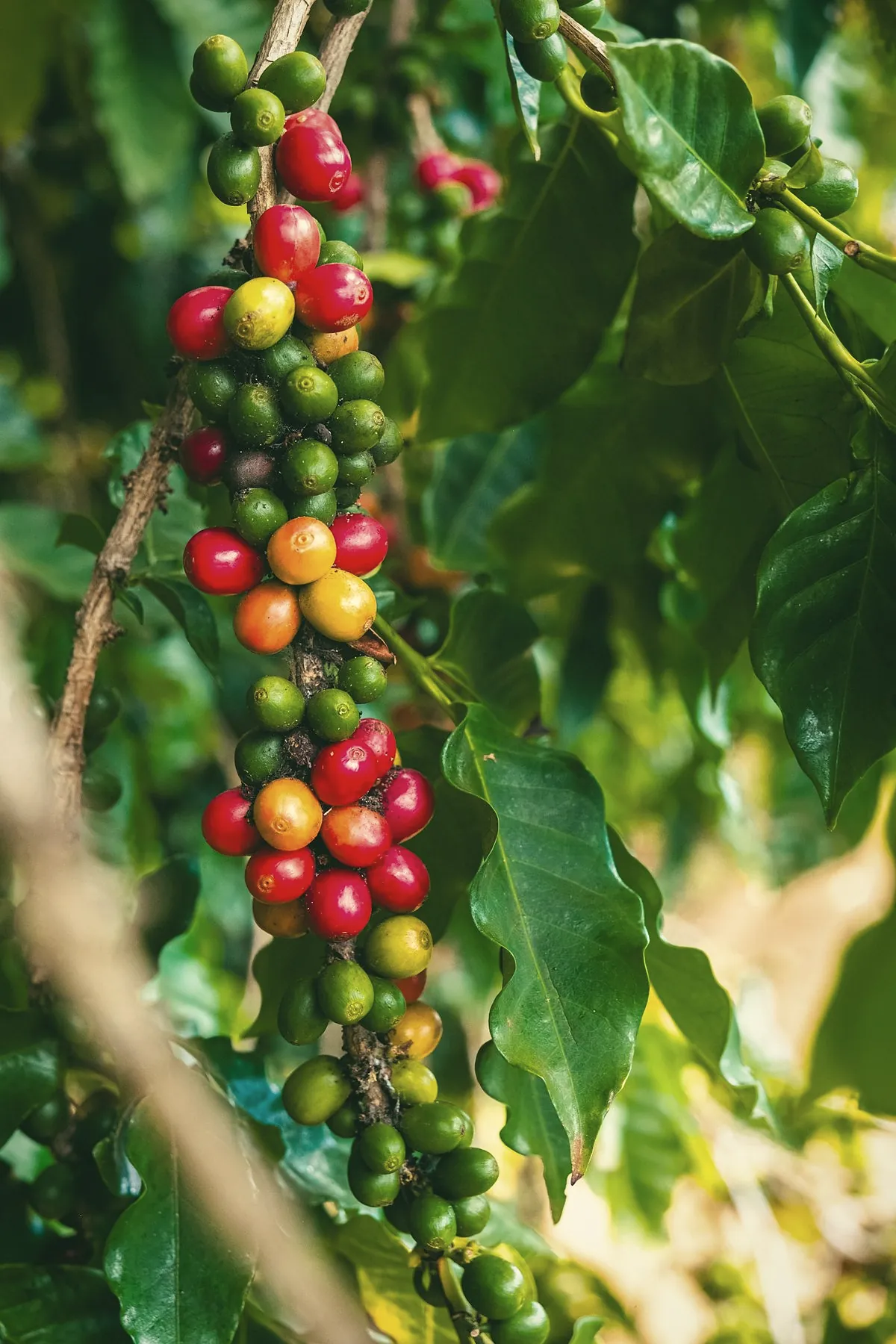
Clusters of red, orange and green coffee cherries on a branch among dark leaves
Still 3.Coffee cherries on the slope behind the family house, ripening unevenly in July.

21 July 2026, 2 minute read

Coffee from the slope behind the house

There are about two hundred coffee trees on the slope behind the family house. Made’s father planted most of them in the 1980s, mainly robusta, with a row of arabica along the top where it is cooler.

The cherries turn red from June to August. We pick by hand every few days, choosing only the ripe ones, and dry them on bamboo racks beside the kitchen for about three weeks. After that the beans are hulled, sorted and roasted in small batches over the wood fire.

It is a small harvest, about sixty kilos of roasted coffee in a good year, and most of it is drunk at breakfast. Guests who join the coffee morning on Tuesdays and Fridays roast their own batch and take it with them.

We also sell it at reception in 250 gram bags for Rp 120,000, while it lasts. It usually runs out in February.

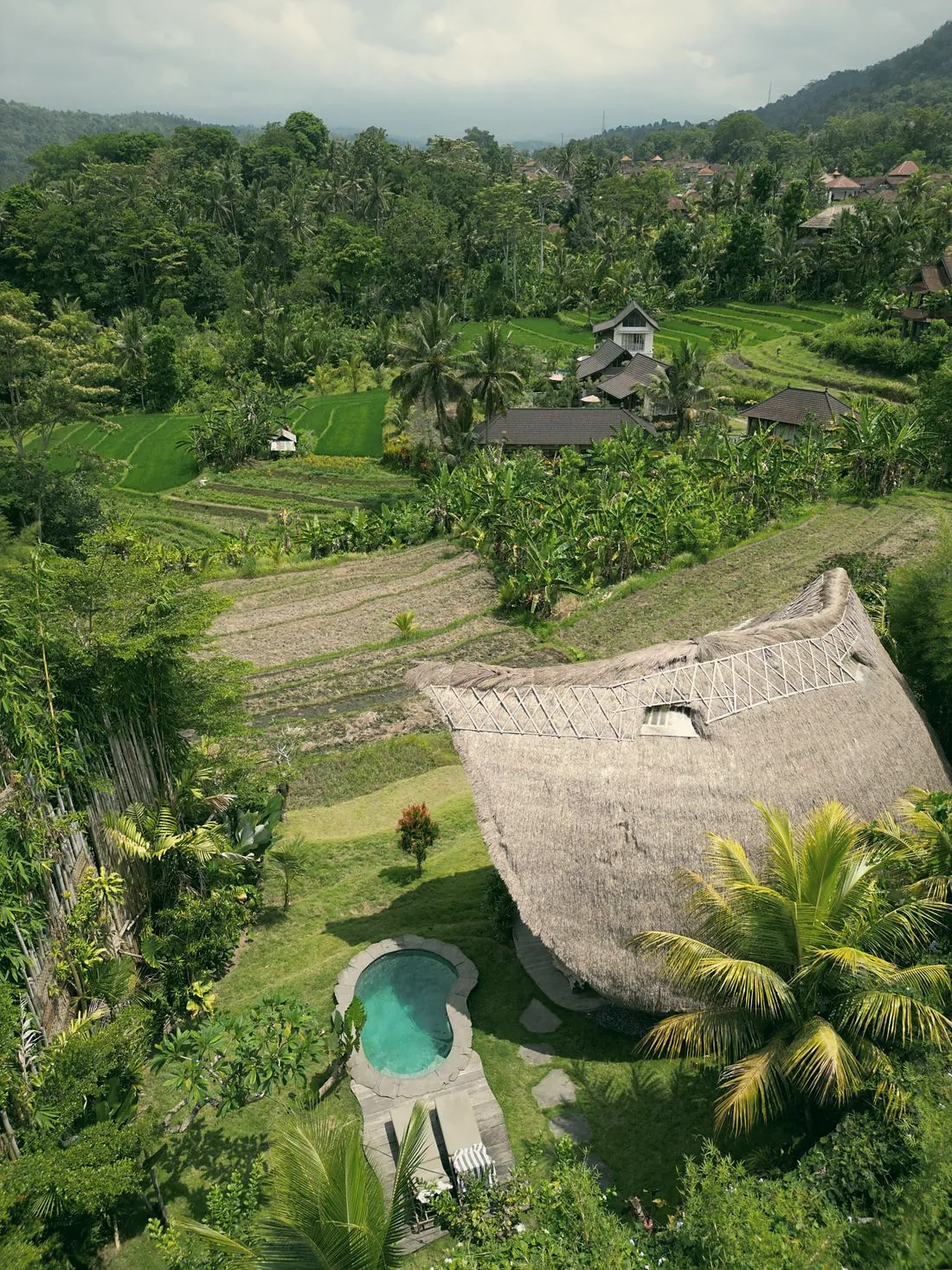
A thatched roof among palm trees and a small round pool, with rice fields and hills behind
Still 4.The family house from above, two weeks after the new roof went on.

9 April 2026, 2 minute read

A new roof for the family house

The family house had its roof replaced in March, the first time since we opened. The old alang-alang grass had lasted twelve years, which is about as long as it lasts in this climate.

The work took nine men from the next village eighteen days. They took off the old thatch, replaced the bamboo battens that had gone soft, and tied on new bundles of grass from the bottom up, each row overlapping the last. The finished roof is about thirty centimetres thick.

A grass roof keeps a room cooler than tiles and is quieter in the rain, which is why every villa has one. It needs a little patching each year and a full replacement every ten to fifteen years. Villa 2 is next, in the dry season of 2028.

The house was closed for the month of March and reopened on 2 April.

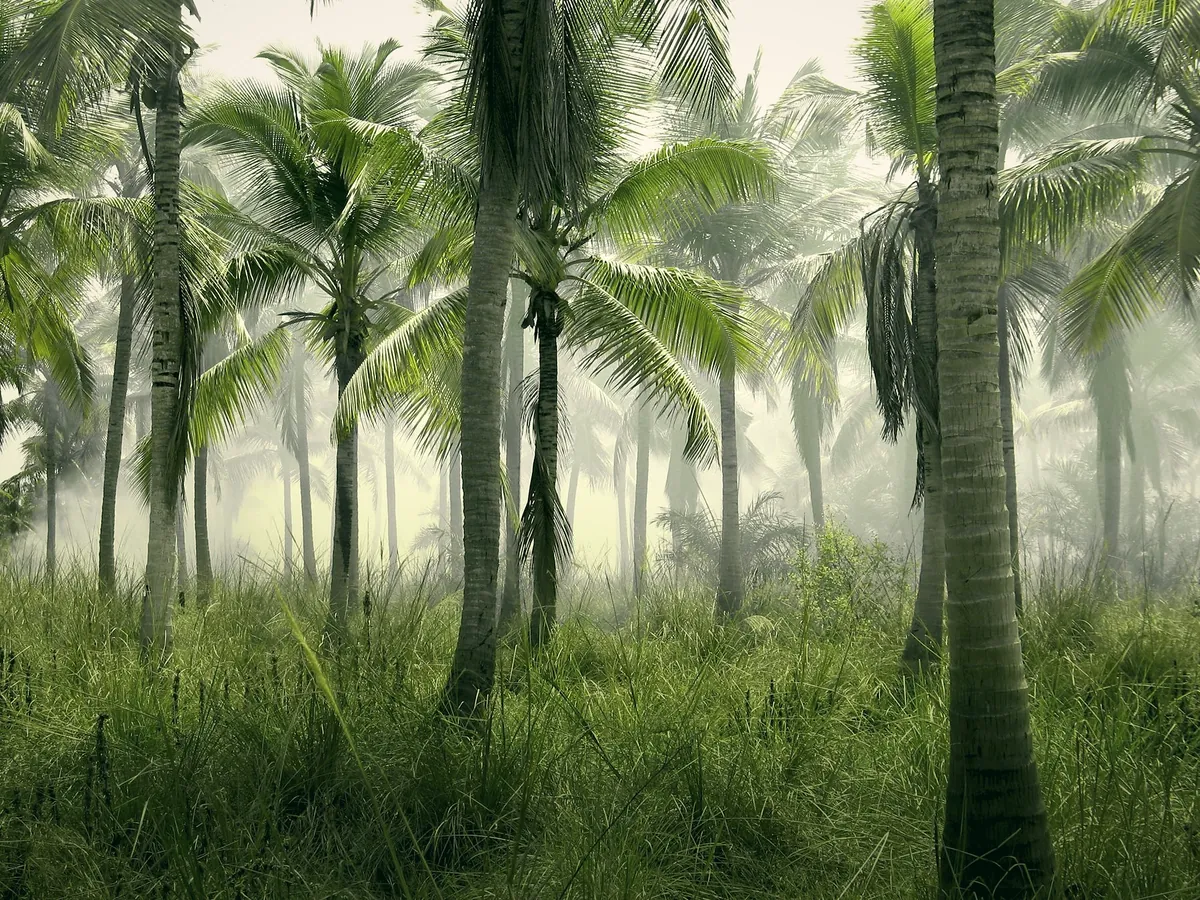
Coconut palms standing in long grass in a morning mist
Still 5.The palm grove by the car park after a night of rain in January.

18 January 2026, 3 minute read

What the rainy season is like here

People often ask whether they should avoid Bali between November and March. We stay open all year, and we think the rainy season is a good time to come, as long as you know what to expect.

Most days start clear or misty and cool, about 22 degrees at seven in the morning. Clouds build over the mountain around midday, and the rain usually comes in the afternoon, heavy for an hour or two before it eases. Evenings are fresh, and the frogs in the terraces are loud.

The garden is at its greenest, the river in the valley is full, and the hotel is quieter. Villa prices are about 20 percent lower from the middle of January to the end of March, except in the week of Chinese New Year.

Bring a light jacket and shoes that can get wet. There are umbrellas in every villa, and the walks and the terrace dinner move to the morning or indoors when the weather turns.

Example site by Smart BuildBack to services