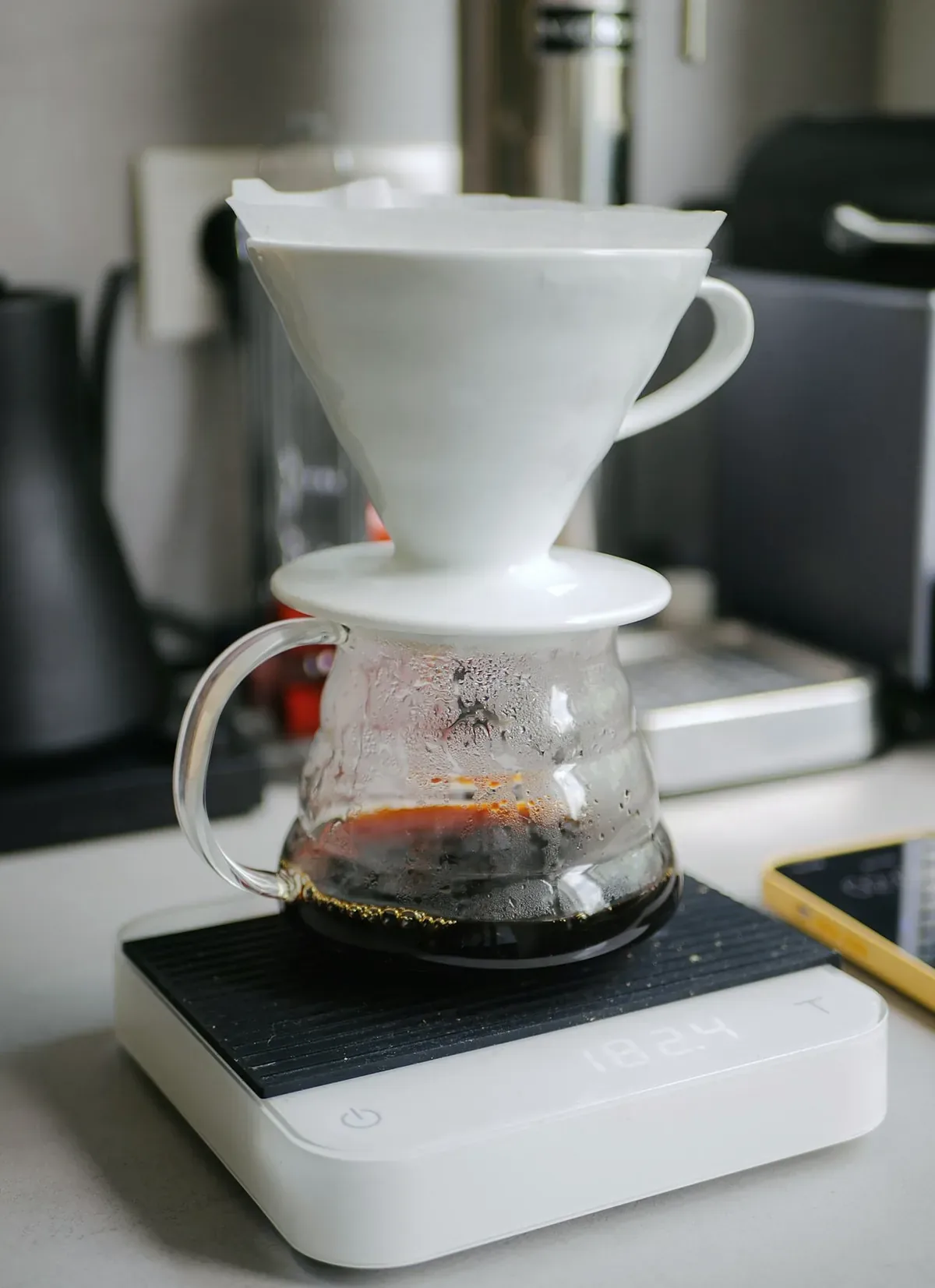
 Brewer
Ceramic cone brewer
A plain porcelain cone.
Porcelain, glazed inside and out
BrewerFrom $28
Free delivery on orders over $50
Subtotal, tax included$0
Checkout is where Shopify takes over. On this example site it stops here.
Seven single origins and one espresso blend, roasted in 12 kg batches every Tuesday and Friday. Bags from 250 g, or a subscription every one, two or four weeks.
 #784A2A
Jasmine, bergamot, white peach
Light roast. The coffee tastes of where it was grown, with bright acidity and floral notes.
Pour over
15 g coffee to 250 g water at 94°C, ready in 3:00
07
Each coffee is roasted to its own drop point, from the lightest at 9:50 to the darkest at 12:00. Prices are for 250 g, and every bag carries its roast date.
All coffee and equipment| Coffee | Process | Altitude | Roast | Tastes like | 250 g | Add to cart |
|---|---|---|---|---|---|---|
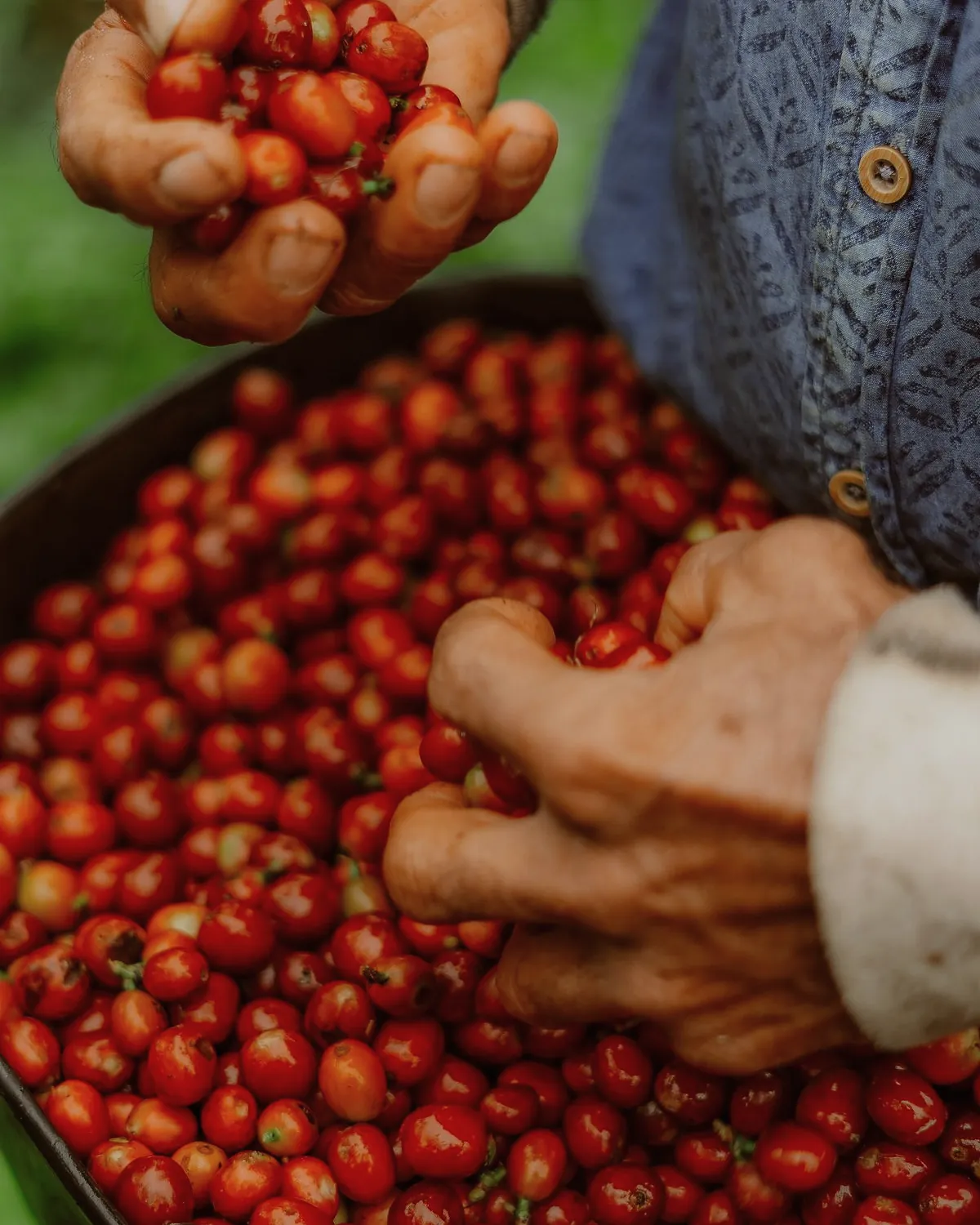 Ethiopia GujiGuji zone, Oromia
 |
Washed | 2,050 to 2,250 m | LightDrop 9:50 at 205.3°C | Jasmine, bergamot, white peach | $21 | |
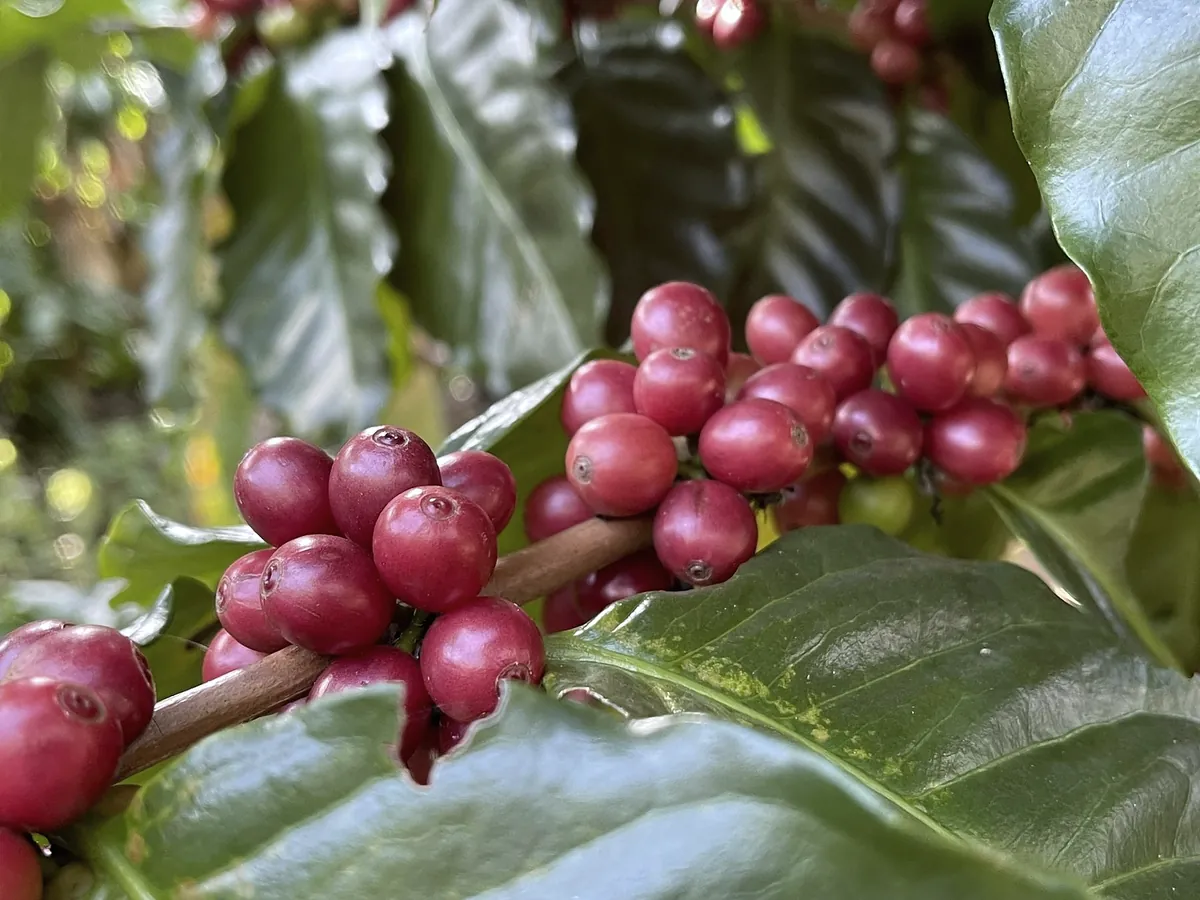 Kenya NyeriNyeri county
 |
Washed | 1,700 to 1,850 m | LightDrop 10:00 at 206.7°C | Blackcurrant, pink grapefruit, cane sugar | $23 | |
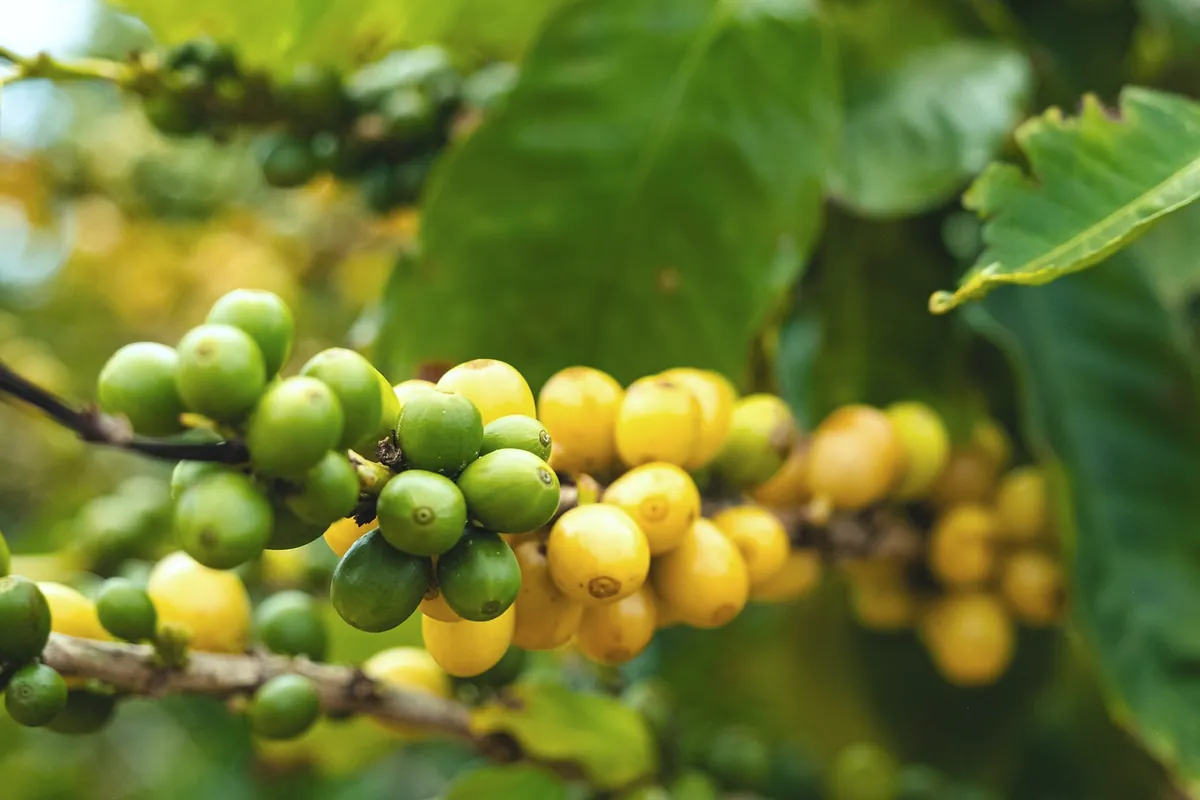 Costa Rica TarrazuTarrazu, San Jose province
 |
Yellow honey | 1,650 to 1,800 m | Medium lightDrop 10:25 at 209.9°C | Apricot, honey, almond | $20 | |
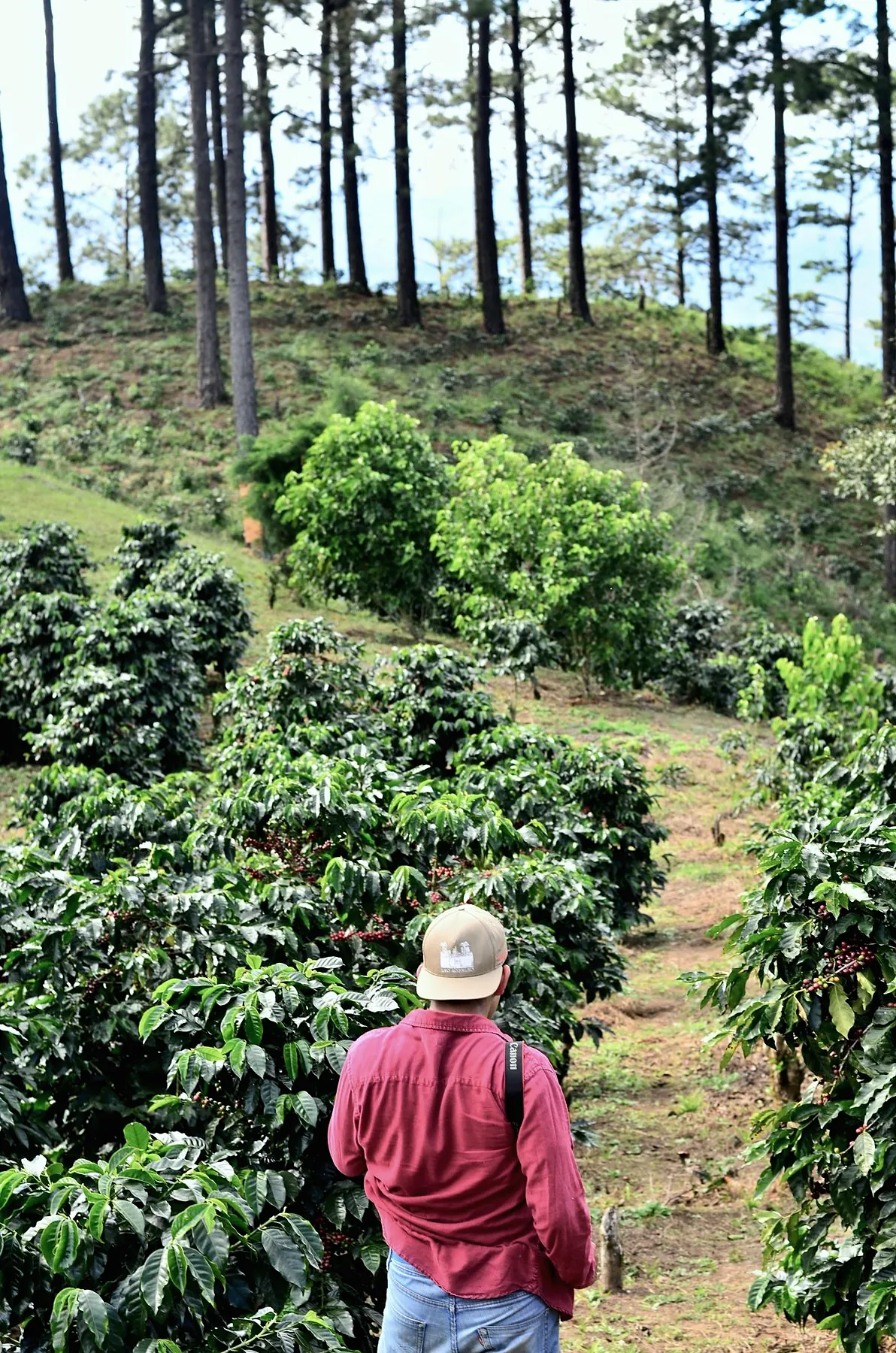 Colombia HuilaSouthern Huila
 |
Washed | 1,750 to 1,850 m | Medium lightDrop 10:40 at 211.8°C | Red apple, panela, milk chocolate | $19 | |
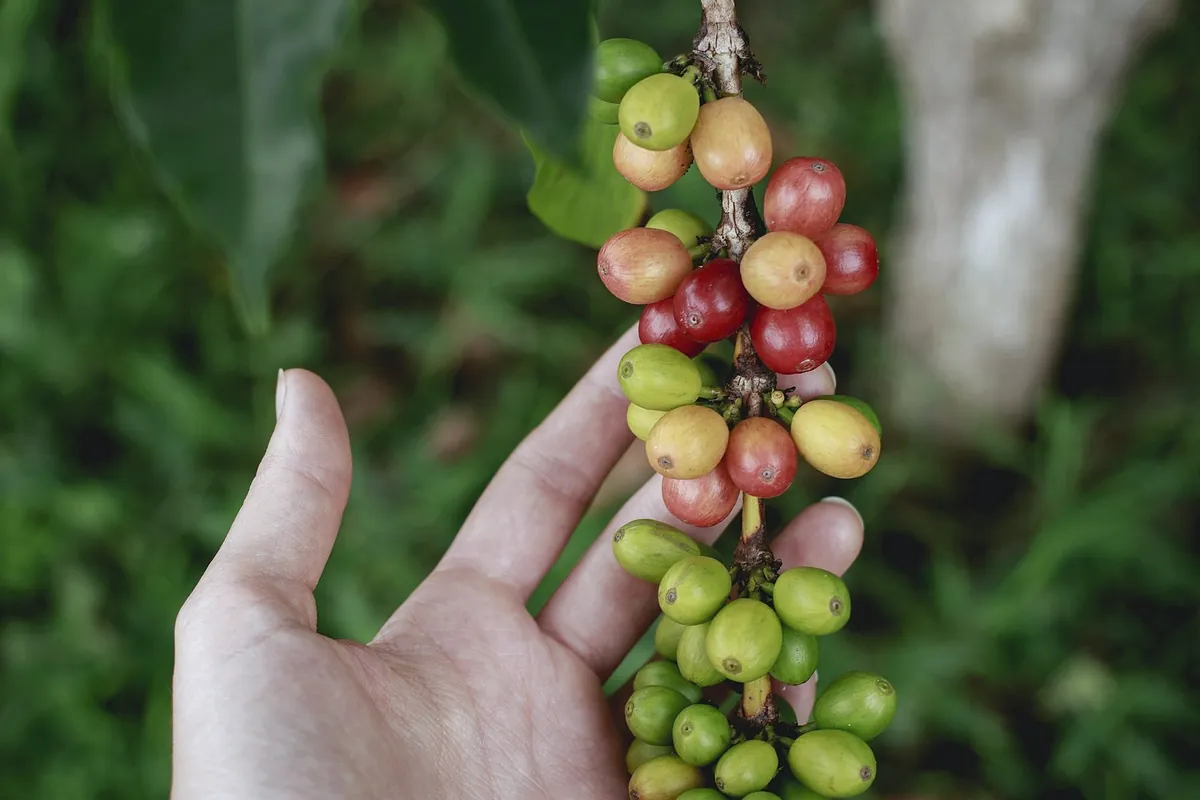 Colombia decafTolima and Huila
 |
Washed, sugarcane decaf | 1,600 to 1,900 m | MediumDrop 11:05 at 214.8°C | Brown sugar, cocoa, orange peel | $19 | |
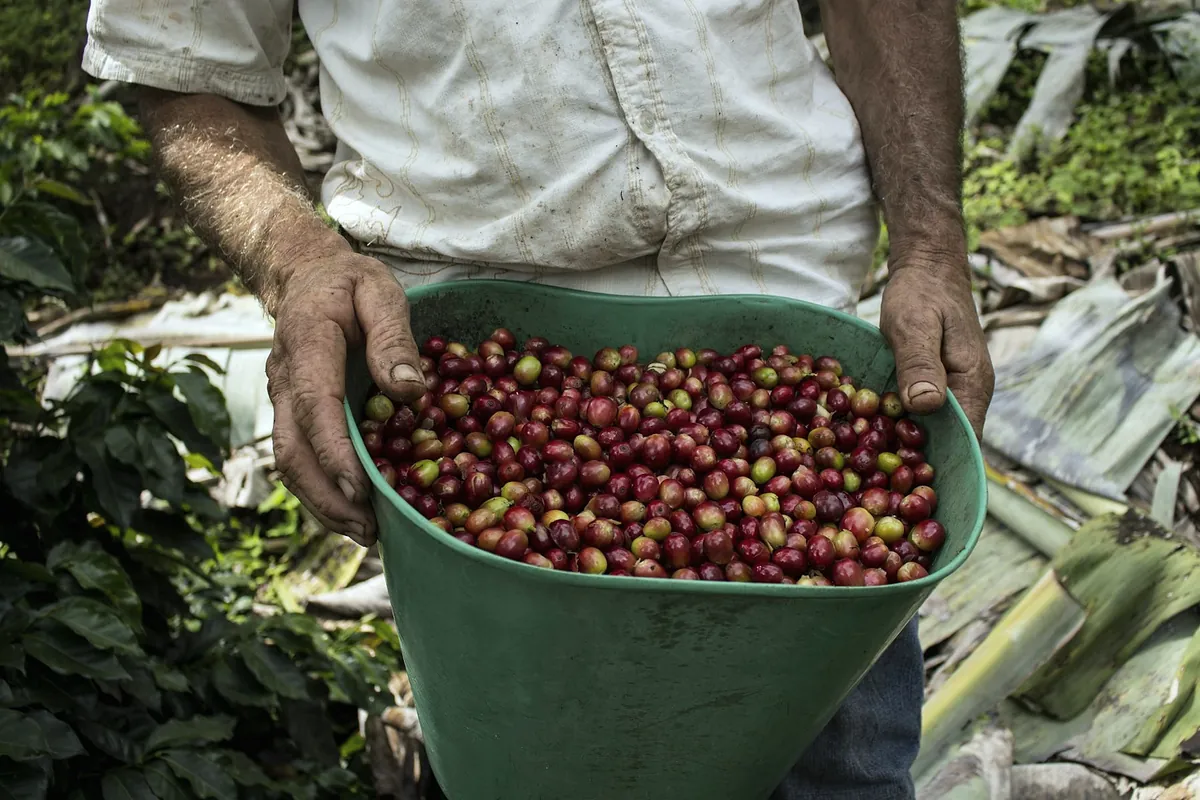 Brazil CerradoCerrado Mineiro, Minas Gerais
 |
Natural | 1,050 to 1,200 m | MediumDrop 11:20 at 216.6°C | Hazelnut, cocoa, caramel | $16 | |
 Harbour espresso blendBrazil, Colombia and Sumatra
 |
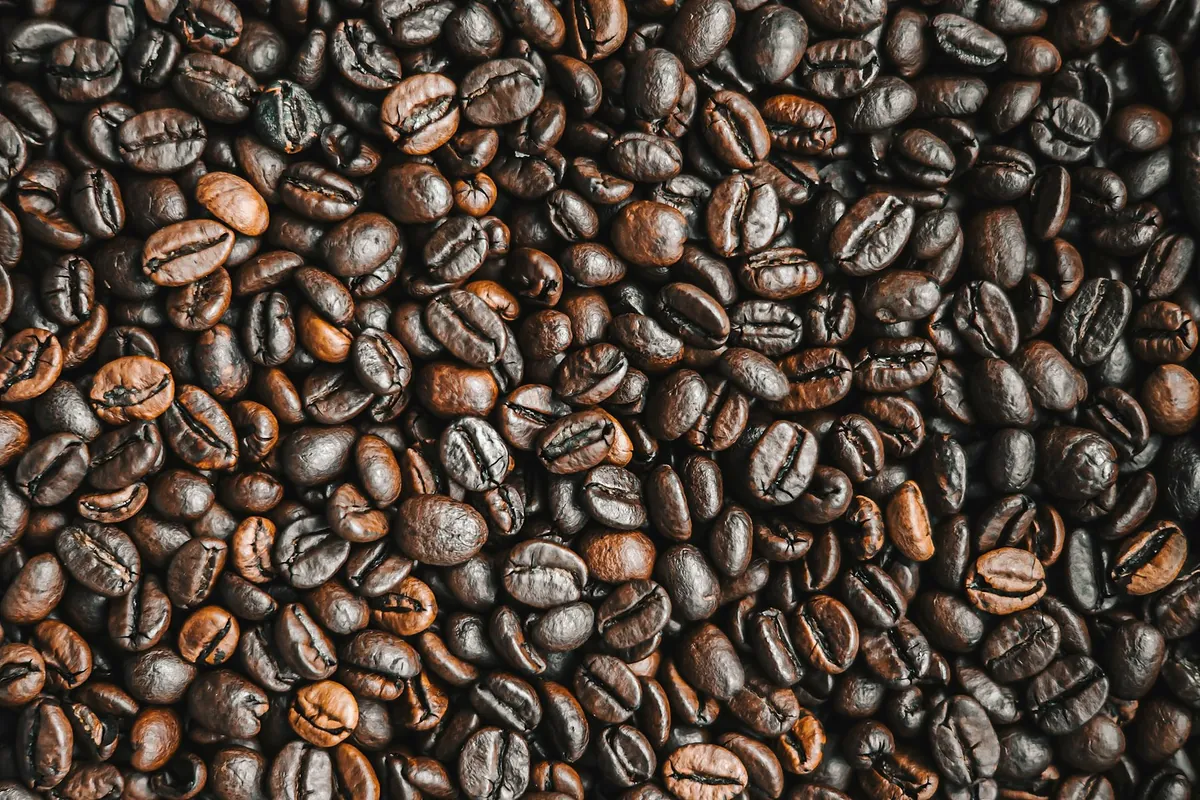
Natural, washed and wet hulled | 1,050 to 1,850 m | Medium darkDrop 11:45 at 219.6°C | Dark chocolate, molasses, toasted nut | $17 | |
 Sumatra GayoGayo highlands, Aceh
 |
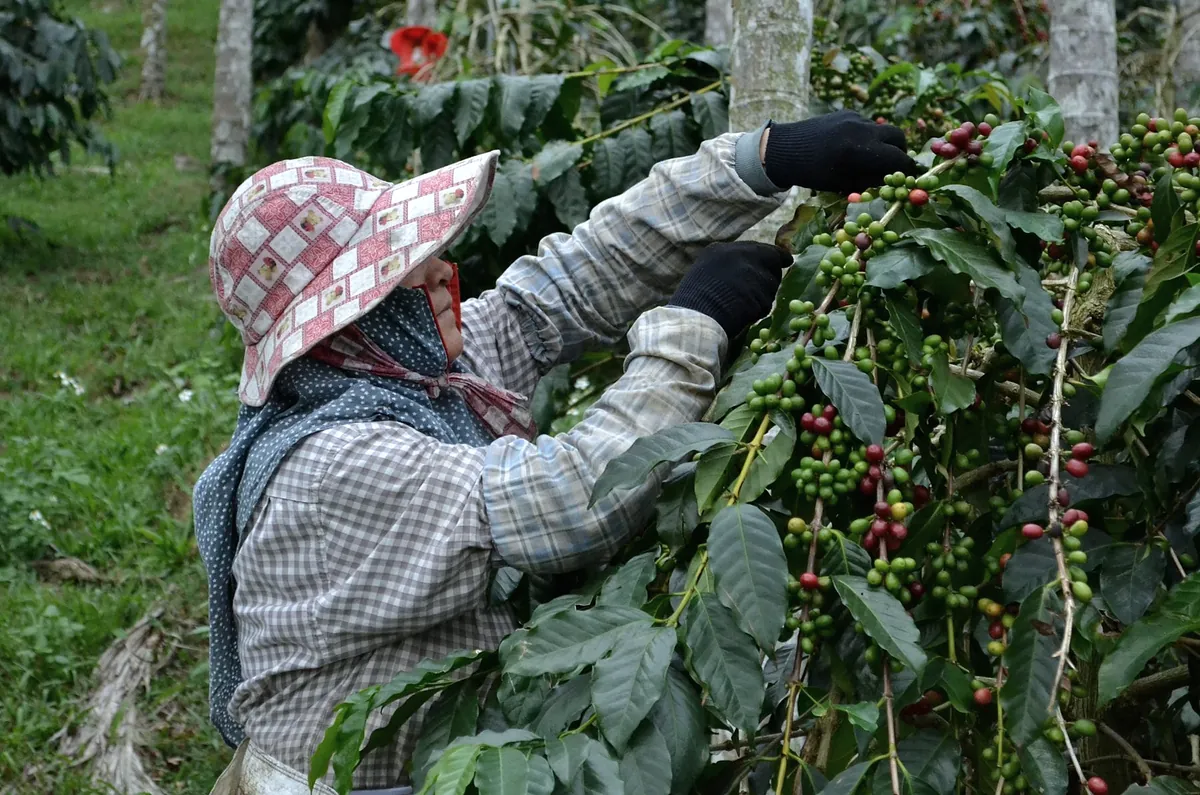
Wet hulled | 1,400 to 1,600 m | Medium darkDrop 12:00 at 221.3°C | Dark chocolate, cedar, clove | $18 |
08
Six growing regions. We buy from the same farms and washing stations every year where we can, and ship green coffee by sea. Drag the globe, or choose a region to see its coffee.
 Roastery
Choose a region to see the coffee from it.
09
Choose filter or espresso, how much and how often. We send a different coffee from the roast list each time, roasted that morning.
Subscription bags cost 10 percent less than one-off bags and delivery is free. You can skip, change or stop before 12:00 on the day before any roast.
10
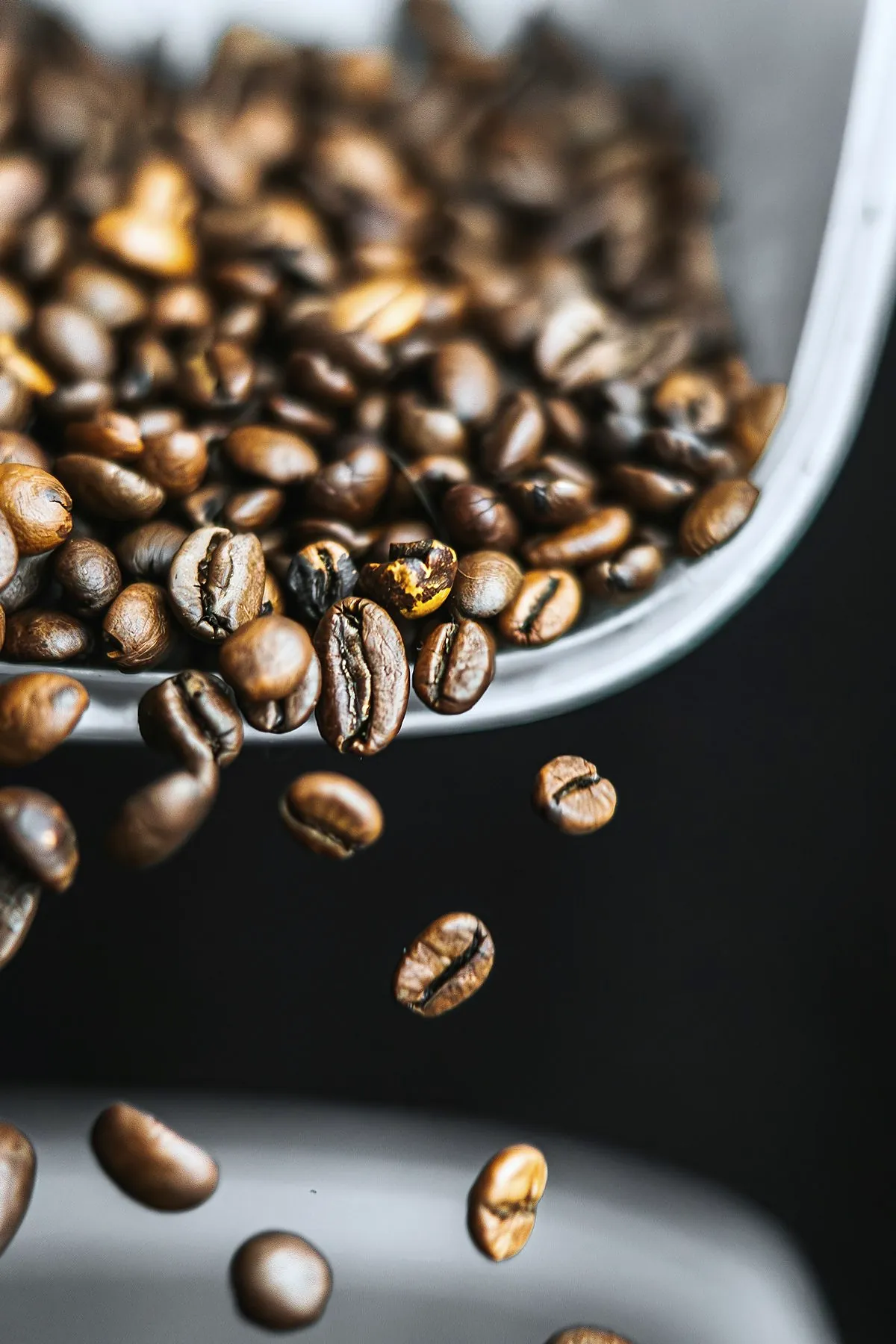
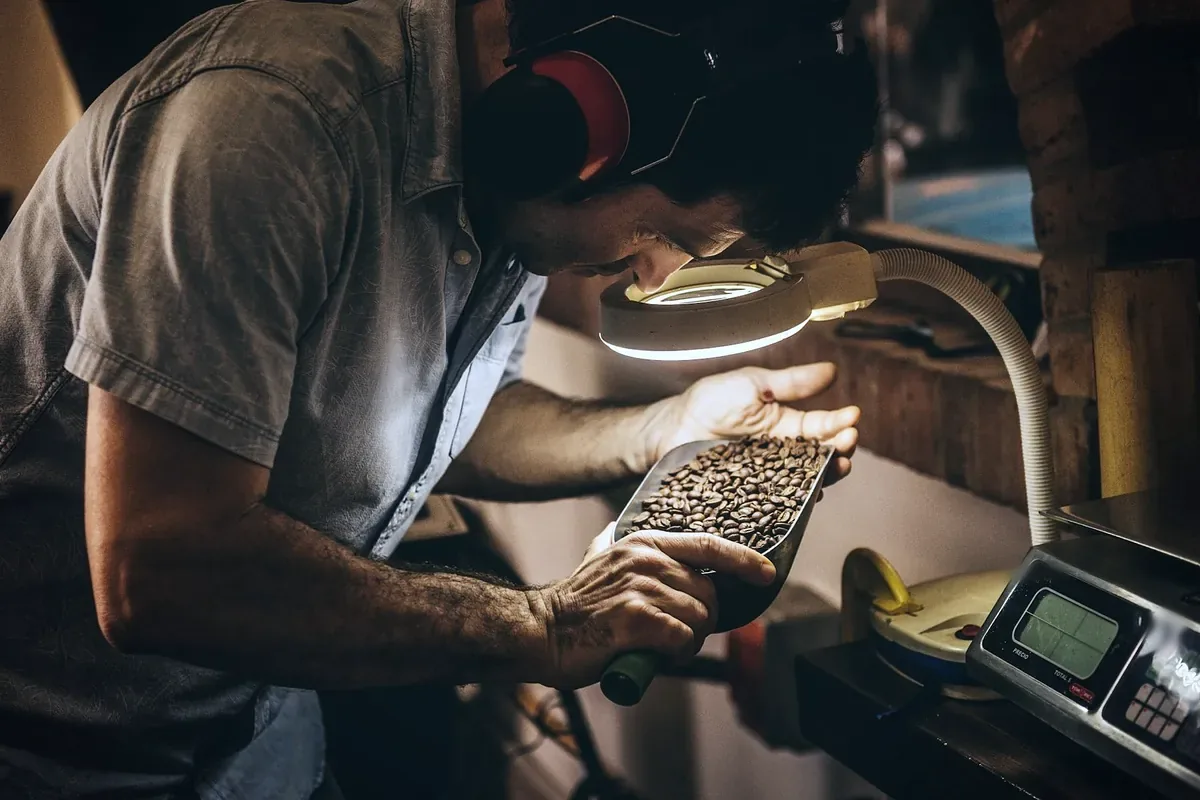
One roaster, one drum and two roast days a week. Every batch is logged, measured for colour and tasted before it is packed.
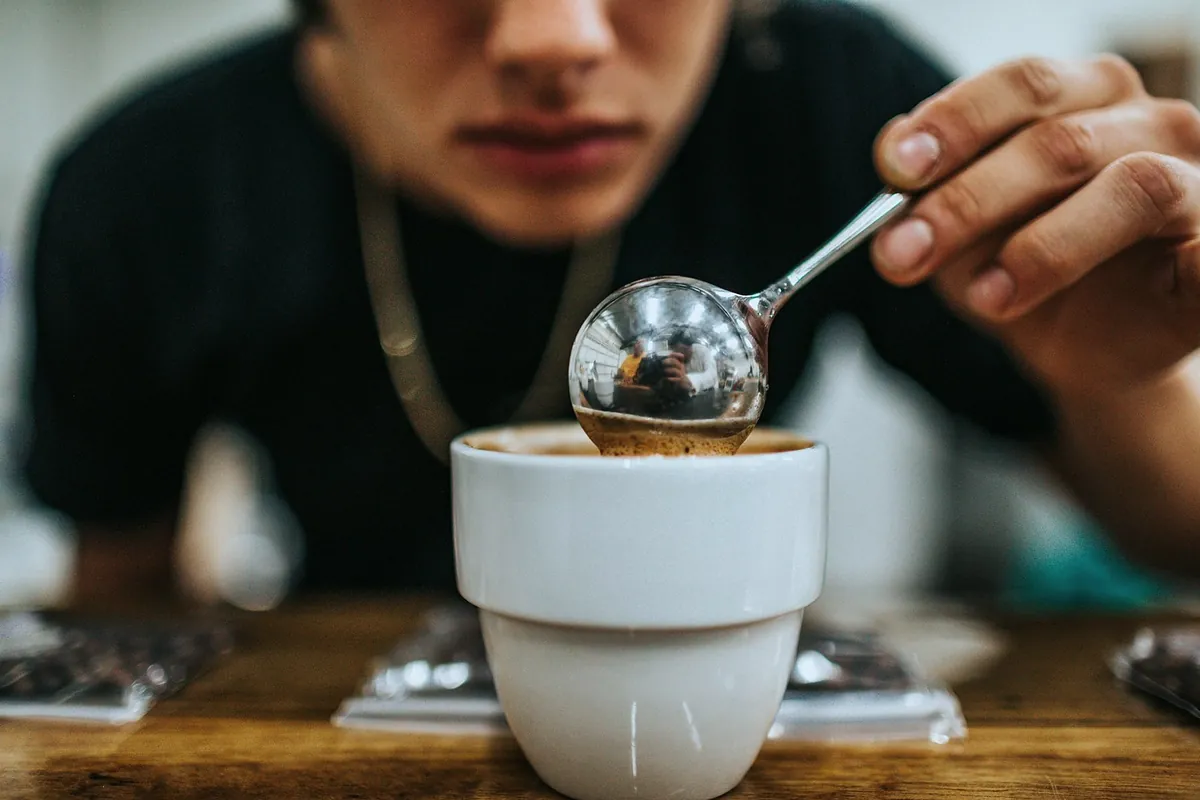
Charge. Green coffee goes into the drum at 200°C. The probe reading falls to about 94°C before it turns.
Follow the curve. We adjust the gas so the rate of rise falls steadily to first crack at about 8:40.
Drop and cool. Each coffee leaves the drum at its own point, between 9:50 and 12:00.
Cup and pack. If a batch does not match the last one, it is not sold as that coffee.
11
We roast on Tuesday and Friday and post the same afternoon. An order placed by 12:00 the day before goes into that roast. Most parcels arrive one to three working days later.
Order by Monday 12:00 for Tuesday’s roast, or by Thursday 12:00 for Friday’s.
12
A brewer, a scale, a kettle and cupping spoons. Nothing here is required, but weighing coffee and water makes the biggest difference.
All equipmentBrewerA plain porcelain cone.
Porcelain, glazed inside and out
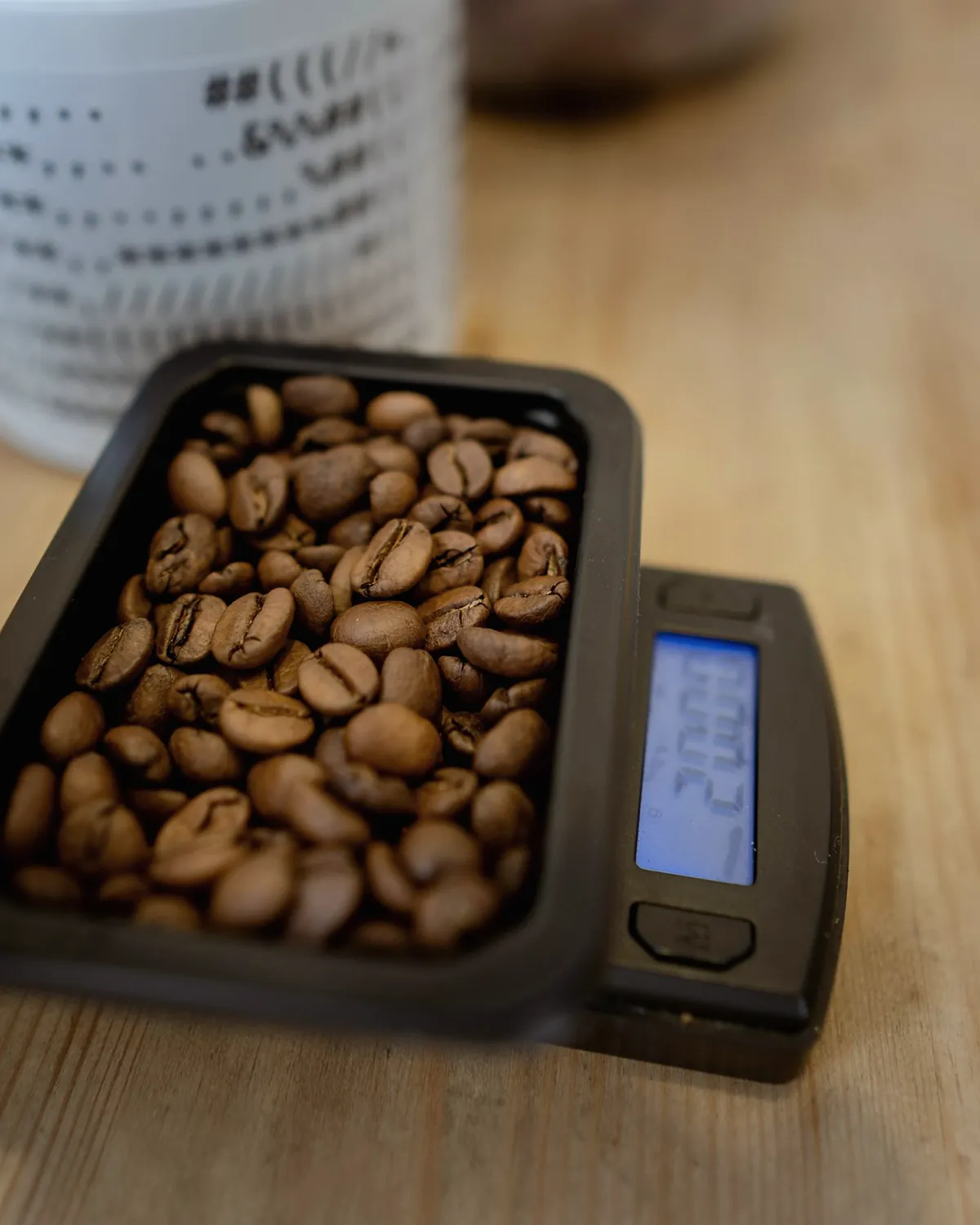 Scale
ScaleWeighing coffee and water is the easiest way to get the same cup twice.
0.1 g from 0 to 2 kg
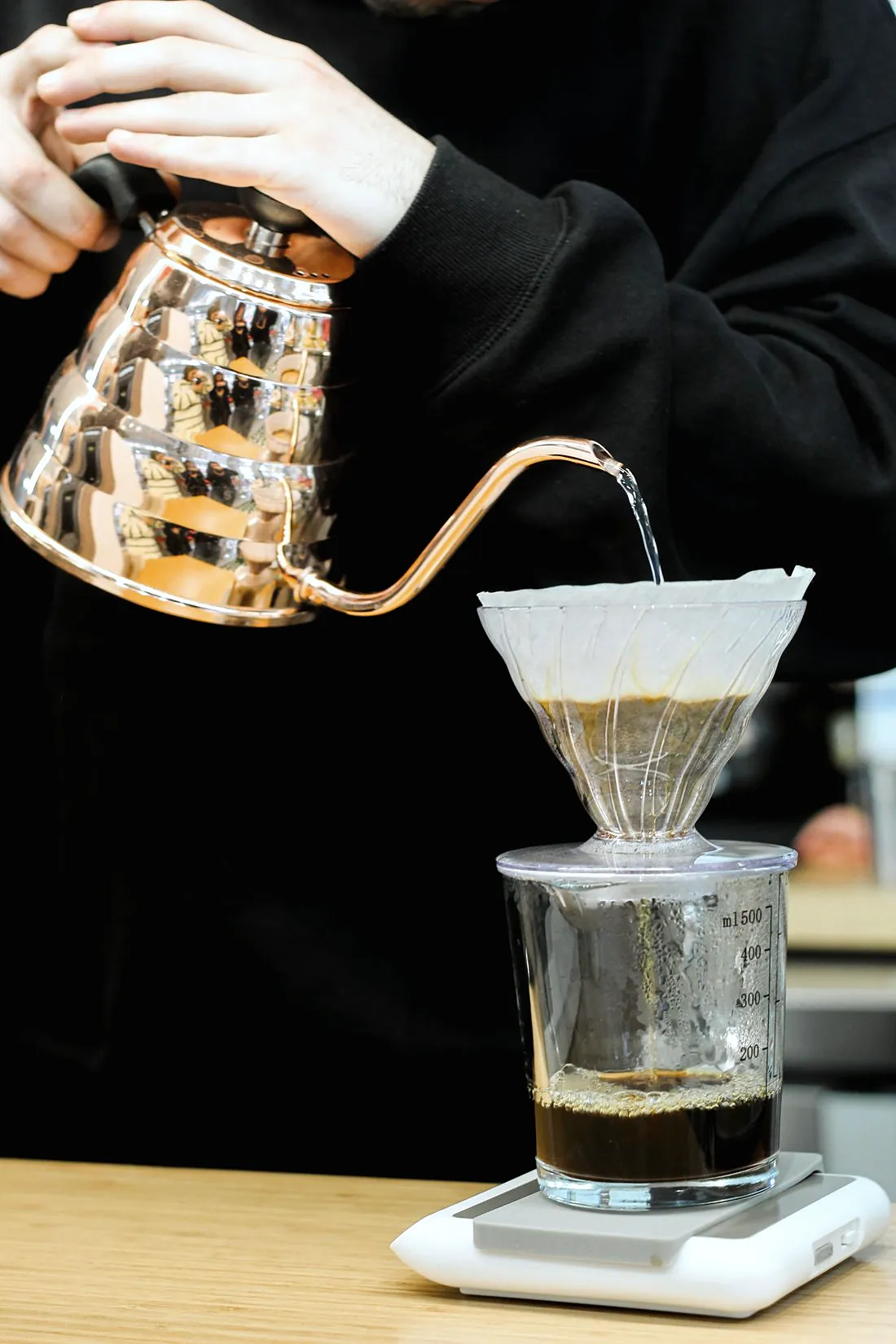 Kettle
A thin, steady pour is what makes pour over even.
1 litre, fill to 0.8 litre for pouring
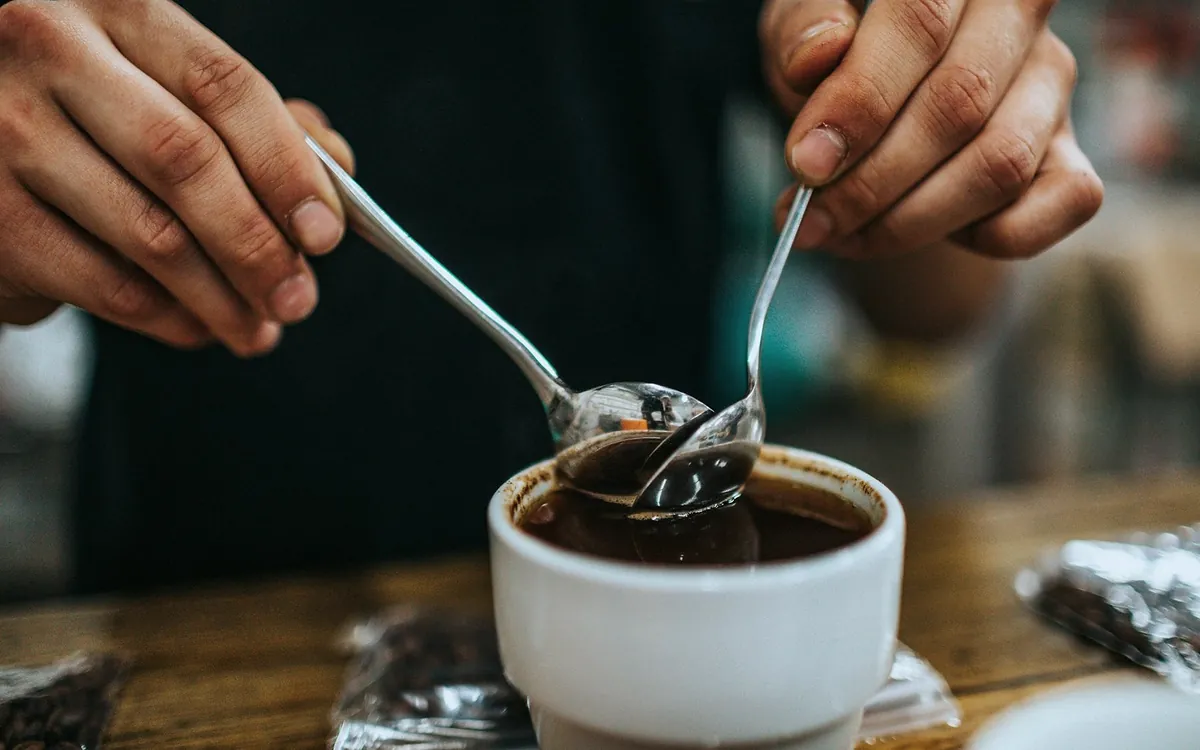 Tasting
The same deep spoons we use at the roastery every morning to taste each batch.
Stainless steel, polished